Brighten Your Home with Expert House Painting Ideas

A fresh coat of paint can completely transform the look and feel of a home. House painting is one of the most effective ways to enhance curb appeal, protect surfaces, and create inviting interiors. Whether you want to refresh your living space or boost your property’s value, painting provides endless opportunities to achieve a stunning result. From color selection to surface preparation, every detail matters in creating a long-lasting finish.
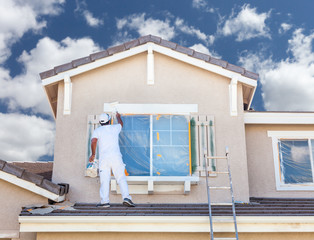
house painting

The Benefits of House Painting

Painting offers more than just a new look. It provides both aesthetic and functional benefits that improve the quality and longevity of a home.

  • Enhanced Curb Appeal: A well-painted exterior instantly makes a property look well-maintained and attractive.
  • Increased Value: Fresh paint can increase market value, making it a smart investment before selling.
  • Surface Protection: Paint shields walls, siding, and trim from moisture, sunlight, and other environmental damage.
  • Improved Indoor Air Quality: Many modern paints are designed to be low in harmful emissions, creating healthier living environments.
  • Mood and Ambiance: Color choices influence how a room feels—whether cozy, bright, calming, or energizing.

These advantages show why house painting is more than cosmetic—it’s a practical improvement that adds comfort and durability.

Choosing the Right Paint Colors

Selecting the right color scheme is a critical step in any painting project. The right shades can set the mood, highlight architectural features, and complement furniture or landscaping.

  • Neutral Tones: Shades of beige, gray, and white remain timeless, offering flexibility and elegance.
  • Bold Accents: Adding a pop of deep blue, green, or red creates character and focal points.
  • Light Colors: Lighter shades make rooms appear larger and brighter.
  • Warm Colors: Oranges, yellows, and warm neutrals add coziness and energy.
  • Cool Colors: Blues and greens provide calmness and relaxation.

A balanced color palette ties the design together and reflects personal style while remaining practical for everyday living.

Interior House Painting Ideas

Interior painting is an excellent way to refresh spaces and make them feel brand new.

  • Living Rooms: Warm neutrals or light shades create an inviting environment for gatherings.
  • Bedrooms: Soft blues, greens, or muted tones enhance relaxation.
  • Kitchens: Bright colors like white, cream, or pastels give a clean and lively appearance.
  • Bathrooms: Light, airy shades or bold accents provide a spa-like feel.
  • Accent Walls: A single bold-colored wall adds personality without overwhelming the space.

Experimenting with finishes such as matte, satin, or semi-gloss also adds texture and depth to rooms.

Exterior House Painting for Lasting Beauty

The exterior of a home is the first thing people notice, making exterior painting a valuable upgrade. High-quality exterior paint not only enhances appearance but also protects against weather, UV rays, and pests.

Popular exterior color schemes include:

  • Classic Neutrals: Gray, beige, or white paired with darker trim for timeless appeal.
  • Bold Contrasts: Deep colors contrasted with light accents highlight architectural details.
  • Natural Shades: Earth tones blend seamlessly with surrounding landscapes.

Exterior paint should always be chosen with durability and climate in mind to ensure long-lasting results.

The Importance of Proper Preparation

Preparation is one of the most important steps in house painting. Without it, even the best paints won’t adhere properly or last long.

  • Cleaning Surfaces: Dust, dirt, and mildew should be removed for smooth application.
  • Repairing Damage: Cracks, holes, or peeling areas must be fixed before painting.
  • Priming Walls: A quality primer creates a strong base for paint to adhere to.
  • Protecting Surroundings: Covering floors, furniture, and landscaping prevents unwanted mess.

Proper preparation ensures the paint job looks professional and stands the test of time.

Tools and Techniques for a Professional Finish

The tools and techniques used during painting can make a significant difference in the outcome.

  • Brushes and Rollers: Brushes are ideal for details, while rollers cover larger areas efficiently.
  • Spray Painting: Provides a smooth finish, especially for exterior surfaces and furniture.
  • Layering and Coats: Multiple thin coats create an even, durable finish.
  • Cutting In: Carefully painting edges and corners before rolling ensures clean lines.

Attention to detail during application results in a polished and long-lasting appearance.

Popular Trends in House Painting

House painting trends are constantly evolving, with homeowners embracing creative ideas to personalize their spaces.

  • Two-Tone Walls: Combining two colors in one room adds depth and modern flair.
  • Dark Accents: Deep shades for doors, trims, or cabinets create striking contrasts.
  • Textured Finishes: Faux finishes and specialty paints add dimension.
  • Nature-Inspired Colors: Earthy greens, browns, and blues connect interiors with the outdoors.

Following trends can modernize a home, but timeless designs ensure lasting appeal.

DIY Painting vs Professional Services

While many homeowners enjoy painting as a DIY project, professional services offer distinct advantages. Professionals provide experience, efficiency, and access to high-quality tools and materials. They can also handle challenging projects such as high exteriors, intricate trim, or large spaces.

DIY painting can save money, but it requires time, skill, and careful preparation. Choosing between the two depends on the scope of the project, available time, and desired finish.

Maintenance After Painting

Once a painting project is complete, proper maintenance extends its life.

  • Regular Cleaning: Wiping down walls prevents the buildup of dirt and stains.
  • Touch-Ups: Addressing chips or scuffs quickly keeps walls looking fresh.
  • Inspecting Exteriors: Checking for cracks or fading helps maintain protection.
  • Repainting When Needed: Refreshing paint every few years ensures surfaces stay protected and attractive.

With care, a high-quality paint job can remain beautiful for years.

House painting is one of the most impactful ways to transform and protect a property. From selecting the right colors and finishes to preparing surfaces and applying with care, every step contributes to a stunning and durable result. Whether refreshing interiors with calming tones or boosting curb appeal with bold exteriors, painting adds value, style, and comfort.

By blending creativity with proper technique, house painting becomes more than a project—it becomes a way to make a home brighter, more inviting, and uniquely yours.

Drying and Curing Times in the Cabinet Painting Process

Cabinet Painting Sacramento

The type of cabinet paint used also impacts drying and curing times. Proper ventilation is key to accelerating the drying process and promoting even coverage. Lightly sand surfaces that will be painted. This typically takes 2-4 hours. Using a tack cloth will help reduce contact marks and remove dust.

Preparation

Cabinet Painting Sacramento is an affordable way to refresh and amplify your kitchen’s look and resale value. Proper cleaning, sanding, priming and paint application are key to the success of any cabinet project. Proper drying and curing times are equally important to ensure your new finish is durable enough to withstand daily use.

The most important step in a cabinet painting project is surface preparation. It is crucial to remove all hardware, clean the surfaces, and sand the primed areas smooth before applying the first coat of paint. It is a good idea to label where everything goes as you remove doors, drawers and hardware so that you can place them back in the right spot during reassembly. Taking photos of the original location of the hardware is also a great way to avoid confusion during reassembly.

A high-quality primer is critical for a successful cabinet painting project. The primer helps to ensure that the paint adheres properly and reduces stains and chips, especially in moisture-prone areas like a kitchen. A high-hide primer can also help to mask imperfections and make the finished product look better. We recommend using KILZ 3(r) PREMIUM Primer which provides excellent adhesion, hides dark colours and suppresses mildew growth in moisture-prone areas.

Once the primer is dry, it is time to start painting! It is recommended that you use a high-quality acrylic latex paint formulated for cabinetry. This will provide a durable, washable and easy-to-clean finish that can withstand the wear and tear of a busy kitchen.

Both spray application and brush/roller applications can work well for cabinetry. However, a professional spray application can be faster and more effective, especially for larger projects.

It is important to follow the specific instructions for your selected paint and sand between coats as needed. It is also a good idea to wait 48-72 hours before rehanging doors or adding any heavy hardware, as the hinges and handles can strain the freshly painted surface. Waiting for the paint to fully cure (about 3-4 weeks) is also critical to prevent premature damage to your new finish.

Environment

When painting cabinet doors and drawers, the environment needs to be as dust free as possible. This is especially important for a professional finish. The best method is to work in a dedicated area, such as a garage or basement, that can be closed off from the rest of the home. It is also a good idea to use a painter’s tape to mask off any areas that will not be painted. This helps to prevent any smearing of the wet paint, which can occur if a mask isn’t used.

Proper ventilation is also a must. If a garage or basement isn’t available, a well-ventilated room can be used instead. It is also important to keep the temperature and humidity in mind, as these can impact how long it takes for paint to dry. High temperatures and humidity can also cause paint to chip or peel prematurely, leading to less-than-satisfactory results.

Choosing the correct paint sheen is another factor that can affect drying times. A matte or satin paint may look modern, but it isn’t durable in a kitchen and collects smudges and grease marks quickly. A semi-gloss or gloss paint, on the other hand, can withstand a lot of wear and tear and is much easier to clean. Regardless of which sheen is chosen, it is important to apply thin coats and allow each to dry fully before applying the next.

Water-based stains are another option for cabinet finishing projects. They use water as their solvent, making them more environmentally friendly than traditional oil-based stains. They can also be cleaned up with water, which makes them a popular choice for many woodwork projects. However, they do take longer to dry than other stains, so planning for this is essential when working with them.

The size and condition of your cabinets, the type of finish you choose, and your experience level can all influence how long it will take to complete a cabinet painting project. With careful planning and the right tools, you can achieve professional-looking results within a realistic timeframe.

Paint

Once the sanding process is complete and the surface is smooth, it’s time to apply your chosen cabinet paint. Whether you’re using spray or brush application, a high-quality product is the key to a durable, beautiful result. Water-based cabinet paints offer a high level of durability and low VOC emissions compared to oil-based alternatives, which can leave behind fumes that are harmful to health.

For the best results, it’s important to follow your product’s recommended drying times. Avoid over-spraying, as this can lead to drips, flaking, or other undesirable outcomes. Instead, aim for thin coats that allow each layer to dry completely before applying the next. This may require more patience, but it’s the only way to achieve a finish that is both visually appealing and durable enough to stand up to repeated use.

In order to get the most from your cabinet painting project, you should also experiment with different application techniques. For example, brushing typically allows for greater precision and control, but spray application can be quicker and produce a more consistent result. Experimenting with these application methods can help you find the perfect balance between efficiency and quality for your renovation project.

A good primer is also essential to a successful cabinet paint job. Depending on your desired finish, select a primer that is appropriate for the surface type and colour. For instance, if you’re refreshing dark cabinets with a lighter shade, choose a shellac-based primer like Fresh Start to ensure that Advance adheres properly.

For cabinetry that will be used frequently, choose a semi-gloss acrylic enamel or hybrid alkyd paint to promote easy cleaning and stave off moisture damage. These types of paints are also easy to wipe down, preventing unsightly streaking that can occur with oil-based alternatives. For an even more durable finish, consider adding a top coat of clear polyurethane or varnish to your cabinetry. Choosing a quality product with added UV protection can prevent yellowing and other discolouration over time.

Finish

Cabinet painting isn’t a project for the faint of heart, and it requires attention to detail at every step. Proper surface preparation (ie: careful removal and labeling of hardware, de-glossing/sanding each surface) is the most critical step for ensuring a quality result that will stand the test of time. A pro like Frederick Painting understands the importance of a comprehensive prep process that includes inspection and selective repairs, sanding, a high-quality primer, wood filler for damaged areas, and finishing with a waterborne polyurethane or conversion varnish to add durability and extend chip-resistance.

Once the prep is complete, it’s time to start painting! For best results, choose a high-quality brush or roll. For doors and drawer fronts, consider using a spray application. This will reduce the chance of drips and smudges. Once the cabinet paint is applied, let it dry according to the manufacturer’s instructions.

When it comes to finishes, there are a lot of choices: matte, satin, and high-gloss. Matte provides a flat finish that’s easier to clean, while high-gloss offers a glossy sheen that highlights light and makes small spaces feel larger. To ensure a durable finish that will stand up to daily use, it’s important to select a product that is specifically designed for interior surfaces and moisture-prone environments.

Bold color selections and a quality finish can dramatically improve how your kitchen looks and functions, increasing the value of your home. Targeted upgrades like new soft-close hinges and cabinet pulls create measurable return on investment. A professional cabinet repaint in 3-5 days can cost $1,200-$4,000, significantly less than full replacement, and a fresh coat of durable paint can increase resale appeal and accelerate your return on investment. Contact a pro today to learn how a cabinet refresh can make your home feel brand new!